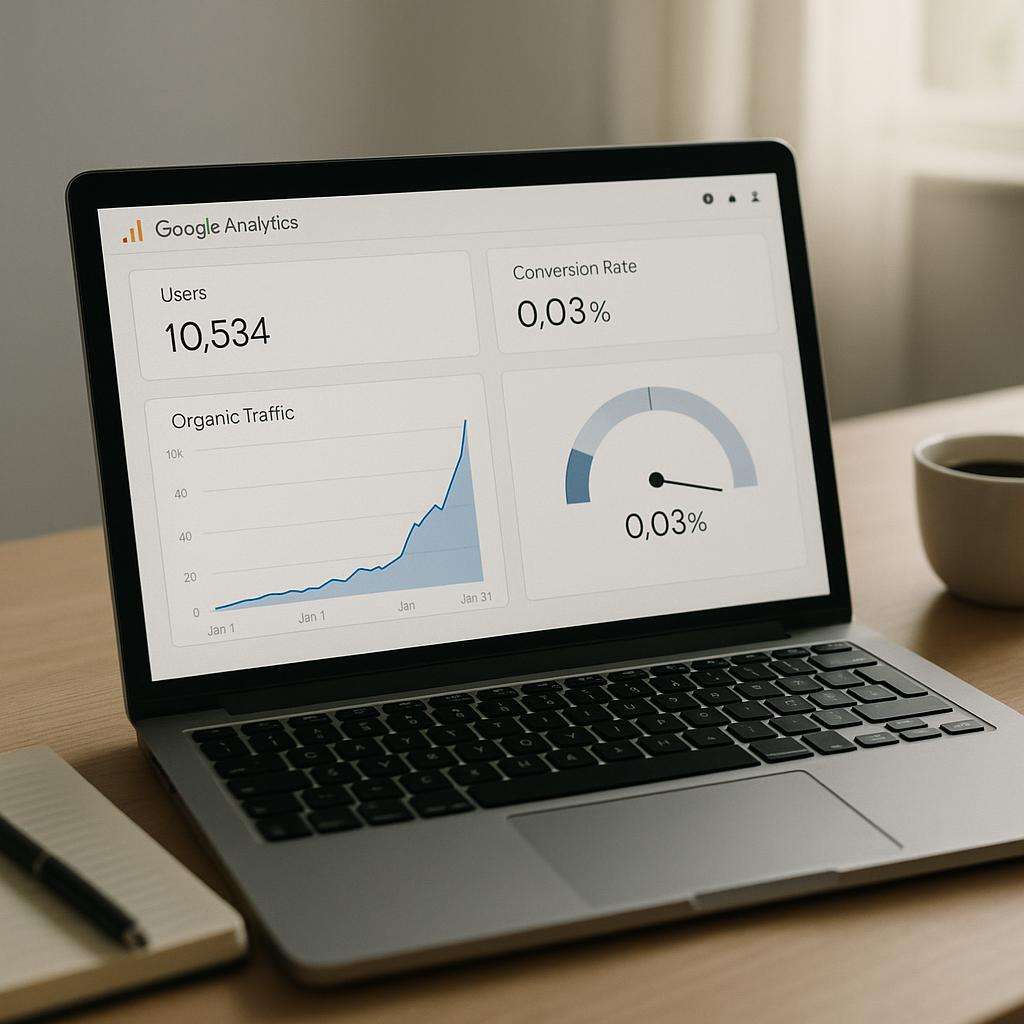
A B2B site ranking on page one for a high-intent keyword is only half the job. The other half is converting that organic traffic into pipeline, and most companies fail at it not because of weak SEO, but because of a structural mismatch between what the page promises in the SERP and what a buyer actually finds when they arrive. This article breaks down the specific reasons B2B organic pages underconvert and the concrete fixes that move the needle.
The Keyword Intent Gap Is the Root Cause
Most B2B SEO teams optimise for search volume and keyword difficulty, but skip a more important question: is the person searching this term ready to talk to sales? A keyword like "enterprise data warehouse solutions" has serious commercial weight, but if the page ranking for it is a 2,000-word educational explainer with no clear next step, you are funnelling informational-stage readers into a commercial-stage page, or the reverse. Either way, the visitor bounces.
The fix is to audit every ranking page against three intent categories: informational, commercial, and transactional. Informational pages should feed a lead magnet or a relevant gated resource. Commercial pages should have a specific CTA tied to the service, a case study reference, and social proof above the fold. Transactional pages need friction removed: one clear form, one offer, no competing links. This single audit typically surfaces 30-50% of a site's organic conversion leakage.
Trust Signals Are Missing or Placed Wrong
B2B buyers arriving from organic search are cold. They have not seen your ads, they may not know your brand, and they are evaluating three other vendors simultaneously. According to Nielsen's research on trust in advertising, buyers rely heavily on third-party validation before engaging with an unknown vendor. A page that ranks well but displays no client logos, no review counts, and no named case studies will consistently underperform against a competitor page that does, even if that competitor ranks two positions lower.
Placement matters as much as presence. Logos buried in the footer do almost nothing. A short proof block - three client names, one quantified result, one recognisable logo - placed within the first screen of the page has measurably higher impact. We have seen organic form submission rates increase by 22-35% on B2B service pages after moving a single client proof block above the fold, with no other changes to copy or design.
The CTA Architecture Is Working Against You
The most common CTA problem on B2B organic pages is not the button copy, it is the number of competing options. A page with a "Request Demo" button, a newsletter signup, a content download, a chatbot trigger, and a "Learn More" link gives the visitor too many low-commitment exits and dilutes attention away from the one action that generates pipeline. Every additional CTA reduces conversion rate on the primary action.
For bottom-of-funnel service pages, strip the page down to one primary CTA and one secondary CTA at most. The primary should be direct: "Book a 20-minute strategy call" converts better than "Get in touch" because it sets a concrete expectation. The secondary CTA can be a case study or a free audit offer for visitors who are not yet ready to commit. This structure alone, applied consistently, tends to lift organic lead volume by 15-25% within 60 days. For a deeper look at what kills conversion on B2B pages more broadly, see our breakdown of why B2B landing pages don't convert.
Page Speed and Core Web Vitals Are Still Killing Mobile Organic Conversions
Google's ranking systems have incorporated Core Web Vitals since 2021, but the conversion impact of slow pages is still underestimated by most B2B teams. A page that loads in 4.2 seconds on mobile will lose roughly 32% of visitors before they see a single word of copy, based on Google's own data on the business impact of Core Web Vitals. In B2B markets where organic CPCs for branded terms can run $15-40, losing a third of hard-won traffic to page speed is an expensive problem.
The highest-impact fixes are usually image compression, removing render-blocking third-party scripts (chat widgets and analytics tags are frequent offenders), and switching to a faster hosting tier. Run a Lighthouse audit on your five highest-traffic organic pages today. If any of them score below 70 on mobile performance, that is the first place to invest before touching copy or CTA structure.
Organic Traffic Attribution Is Hiding the Real Problem
Many B2B teams see low organic conversion rates and assume the traffic quality is poor, when the actual issue is attribution. A visitor who arrives via organic search, reads a case study, leaves, and returns three days later via a branded paid click will have that conversion attributed to paid search in last-click models. The organic channel looks weak, the team reduces SEO investment, and the actual top-of-funnel engine quietly degrades. Getting attribution right matters as much as getting the page right.
Switching to a data-driven or linear attribution model in GA4, combined with path analysis, typically reveals that organic is assisting 40-60% of B2B conversions that last-click never credited it for. If your team is still making channel investment decisions based on last-click data, read our article on multi-touch attribution for B2B ROI before cutting any SEO budget. The channel is almost certainly contributing more than your current reports suggest.
What a Conversion-Focused SEO Audit Actually Covers
A standard technical SEO audit checks crawlability, indexation, and on-page signals. A conversion-focused SEO audit goes further and treats each ranking page as a revenue asset. The checklist looks like this:
- Map every ranking page to a buyer intent stage and verify the content matches that stage
- Check that each commercial page has a named client proof block above the fold
- Audit CTA count per page and remove all but one primary and one secondary action
- Run Lighthouse on the top 10 organic pages and flag any mobile performance score below 70
- Pull GA4 path reports to identify which organic pages assist the most conversions but receive the least CRO attention
- Verify that form fields on organic landing pages ask for no more than three inputs at the first touchpoint
Teams that run this audit quarterly, rather than once at launch, tend to sustain organic conversion rates above 3.5% on commercial pages. The industry median for B2B organic sits closer to 1.8-2.1%, so there is real upside available without adding a single new ranking or backlink. If you want to see this approach applied to a live client scenario, the Dubai visa agency case study walks through how conversion-focused on-page changes combined with organic traffic growth produced a measurable lift in qualified leads within 90 days.